
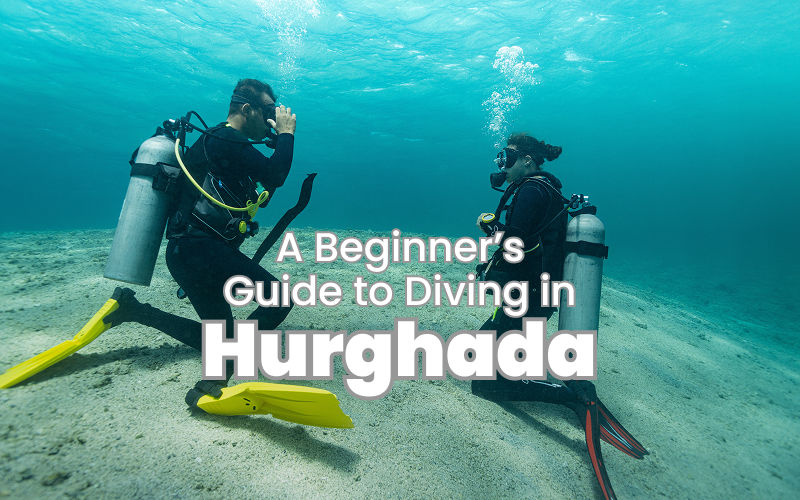
Have you ever wondered what it would be like to bob along the bottom of the beautiful briny sea? The beautiful, briny Red Sea, to be exact?
What a chance to get a better peek at the corals and creatures of the deep sea, gliding far beneath the rolling waves. The Red Sea is known as one of the world’s best places to dive. Running along the front of the Red Sea is Hurghada, where both beginners and seasoned divers can take to the shores and start exploring.
Why Hurghada?
What was once a quiet fishing village is now a busy tourist city known as one of the top diving spots in the world. Accessible, exciting, and beautiful, Hurghada has many different resorts and kinds of resorts to stay in.
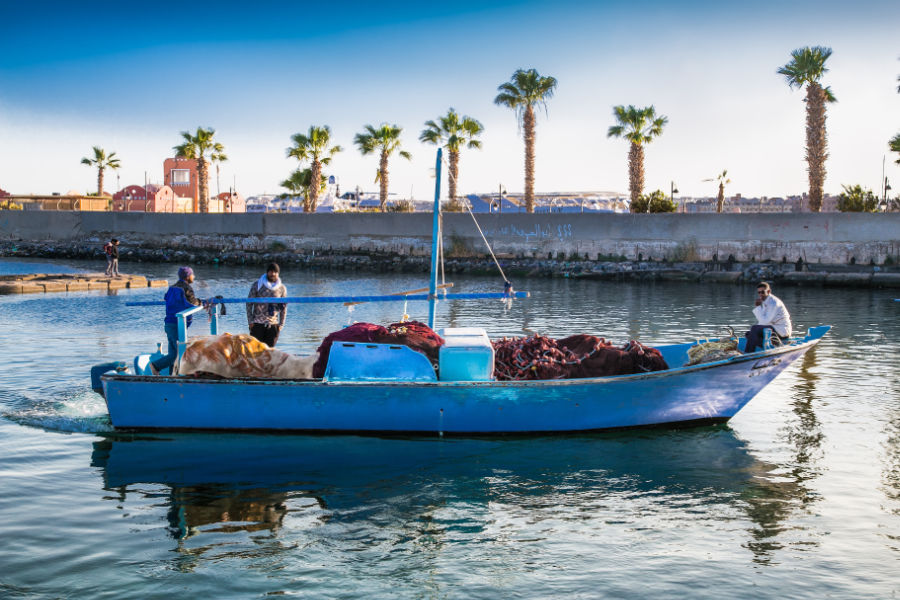
An old fishing boat in Hurghada
Some were designed as a central hub for divers to gather at the end of the day and make their plans for the next trip out. Others are 5-star resorts with luxury and tranquillity combined to come back to after a long day diving and exploring.
What Hurghada is truly known for is the year-round sunshine, warm temperatures, crystal-clear waters, and comfortable sea temperature, no matter the time of year. With the clarity to see around 20–30 metres deep, a large variety of marine life, and accessible coral reefs even from the shallows.
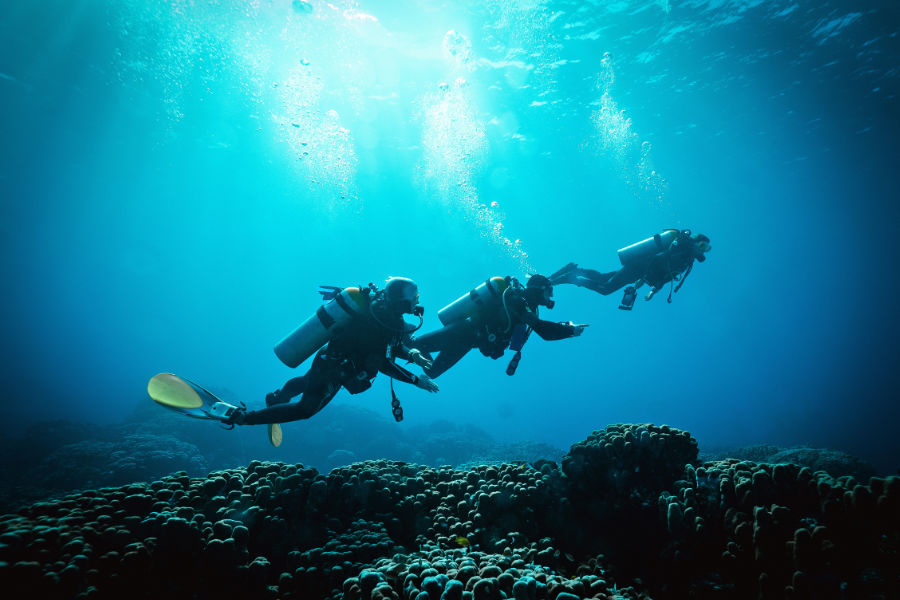
The clear waters of the Red Sea in Hurghada
The added bonus is HEPCA, the protection agency for the natural underwater world, meaning that everything remains as it should be.
Dive centres are plentiful, instructors are experienced, and facilities are modern, making it easy and safe to learn in paradise-like surroundings.
How to Get Started
Hurghada has a large choice of dive centres that offer beginners the chance to get their PADI Open Water Diver or SSI certification, with most dive centres having multi-lingual instructors.
Try Dive
If you have never dived before and are looking to see if it’s the right thing for you, you can do what is called a try dive: a short introduction where you’ll learn basic safety skills and enjoy a guided dive up to 12 metres deep. It’s the perfect way to experience the thrill of breathing underwater for the first time!
Open Water Course
Once you have the taste for it, the PADI Open Water course typically takes 3–4 days and combines theory, confined water practice, and open-water dives. You’ll learn essential skills like buoyancy control, underwater navigation, and equipment setup, and by the end of the course, you’ll be certified to dive anywhere in the world up to 18 metres.
Different Dive Sites
One of the best things about diving in Hurghada is the variety of dive sites it has to offer. One of the best things is that these spots are perfect for beginners.
Giftun Island Reefs
Combine a boat day trip with snorkelling and diving stops. With gentle currents, bright coral gardens, and friendly reef fish, it’s ideal for new divers. Sites like Paradise Reef and Gota Abu Ramada (“The Aquarium”) live up to their names. Expect to see clownfish, butterflyfish, and even graceful blue-spotted stingrays.
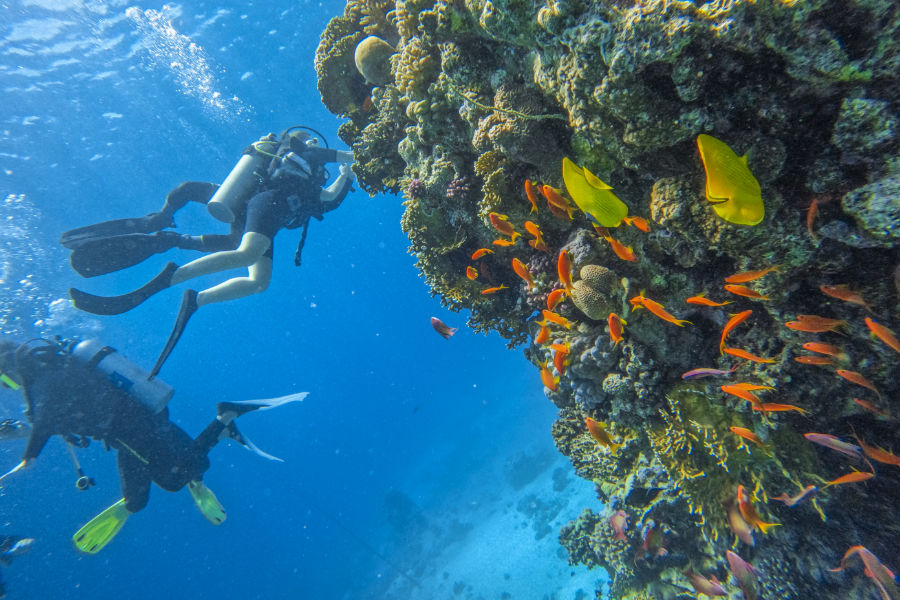
Beautiful coral reefs of Giftun Island
Abu Ramada South
This spot is well known amongst the diving instructors as the beginners’ favourite spot. Abu Ramada South features shallow plateaus, sandy bottoms, and lots of marine life. The visibility is excellent, and the calm conditions make it easy to practice your buoyancy while enjoying the view, making it truly the perfect spot for beginners to get in the practice diving hours.
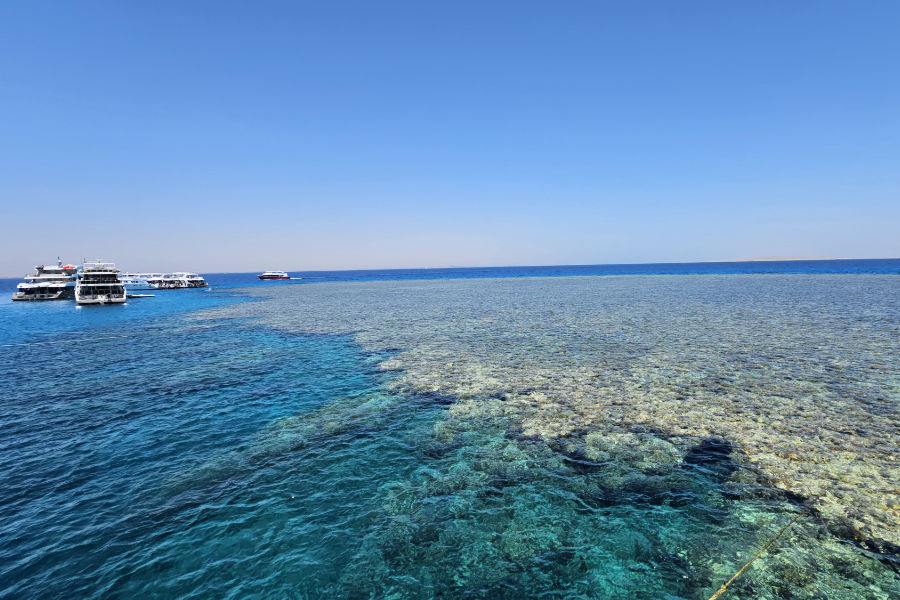
Abu Ramada dive site
Umm Gammar
Once you have built your confidence, you can take it to the next level. Umm Gammar Island offers stunning coral pinnacles and mild drift dives. While it’s still beginner-friendly, it gives a taste of adventure and variety once you’ve gained confidence underwater.
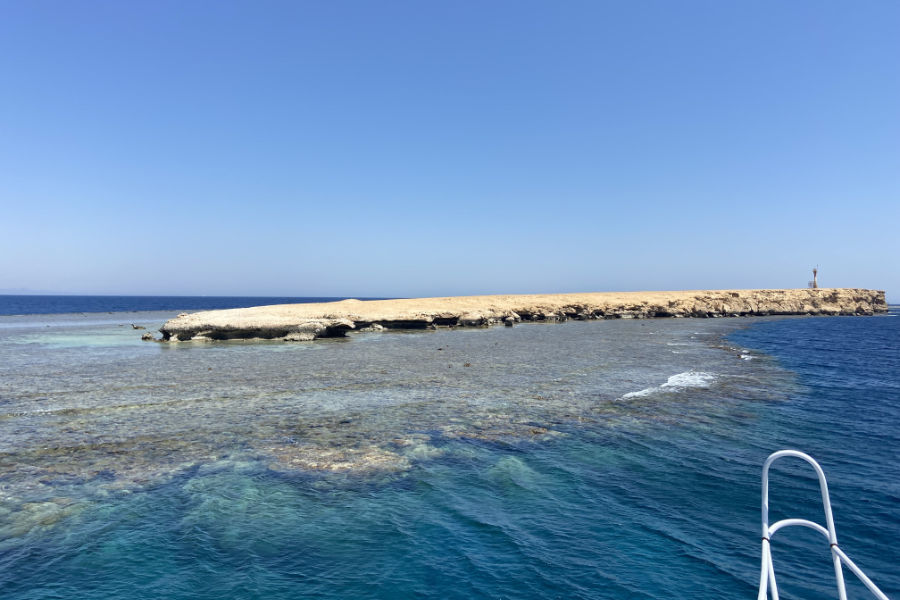
Umm Gammar dive site
Perfect Time to Dive
As we have already mentioned, Hurghada is good for diving all year round, making it perfect no matter when you go; you can add it to your itinerary. The conditions of the water may vary, so here's a little breakdown of what to expect:
- March to June – Excellent visibility, warm temperatures, and abundant marine life.
- July to September – The warmest water (up to 30°C) but also the busiest season.
- October to December – Quieter period with pleasant weather and fewer crowds.
- January to February – Slightly cooler water (around 22–24°C), but still very diveable.
No matter when you go, a wetsuit is usually recommended, thinner in summer, thicker in winter.
What You Can Expect to See on Your Dives
The Red Sea boasts one of the most prolific and varied marine species in the world, so it comes as no shock that the list of what can be seen is long and beautiful.
With the reefs of Hurghada teeming with life, it doesn’t matter when you dive; you will always see something worth seeing. The coral reefs alone, protected and maintained in pristine condition, are a spectacle to see.
You can also expect to see: bright parrotfish, angelfish, and butterflyfish, lionfish, moray eels, and blue-spotted rays hiding in coral crevices. Graceful sea turtles gliding effortlessly by, and even dolphins or reef sharks in deeper areas.
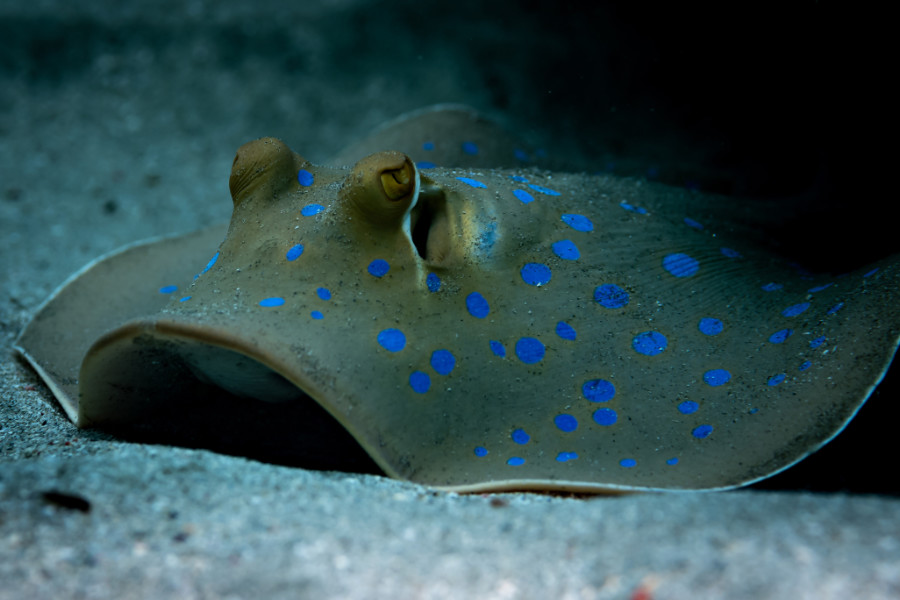
Blue spotted ribbontail ray in Hurghada
Important Tips to Remember
With many options to gain your experience, it is important to remember to check the credentials of the diving centre and instructors you are using. Follow all safety protocols put in place, especially equalising the oxygen tank as you dive down and come back up to the surface.
Do some research before the dive to ensure you have knowledge of all necessary hand signals (although you will also be told these by your instructor) and any species of marine life that may be a danger. Remain calm and breathe deep, and most importantly, maintain respect for the marine life, look but don’t touch, ever.