
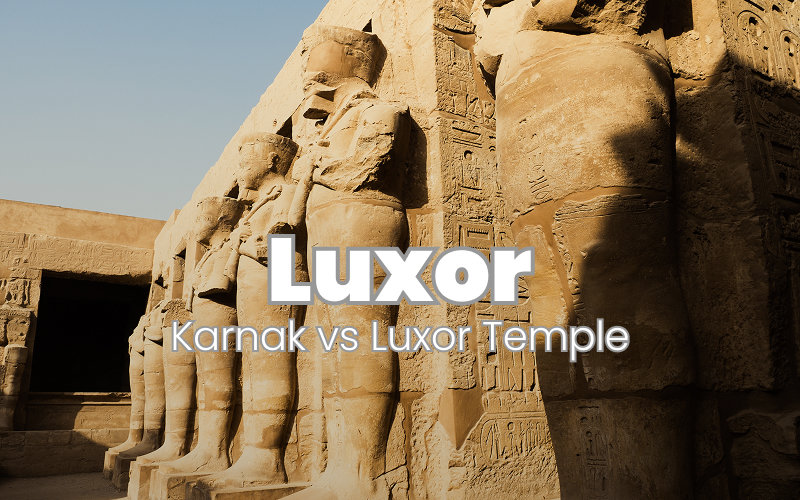
So, you’ve decided to take a trip down the Ancient Egyptian lane, but you're not sure where to start? Let’s clear up some differences between the two most popular temples in Luxor so that you can make an informed decision. Although you only get the true full picture if you visit both temples.
Basic Facts of Both Temples
Both temples are located in the city of Luxor – known as ‘Upper Egypt’, where the Nile runs and the locals still live traditionally. And although many tourists pass through on a daily basis, it has not been touched by the ‘tourist touch’ that most cities experience when popular with tourists.
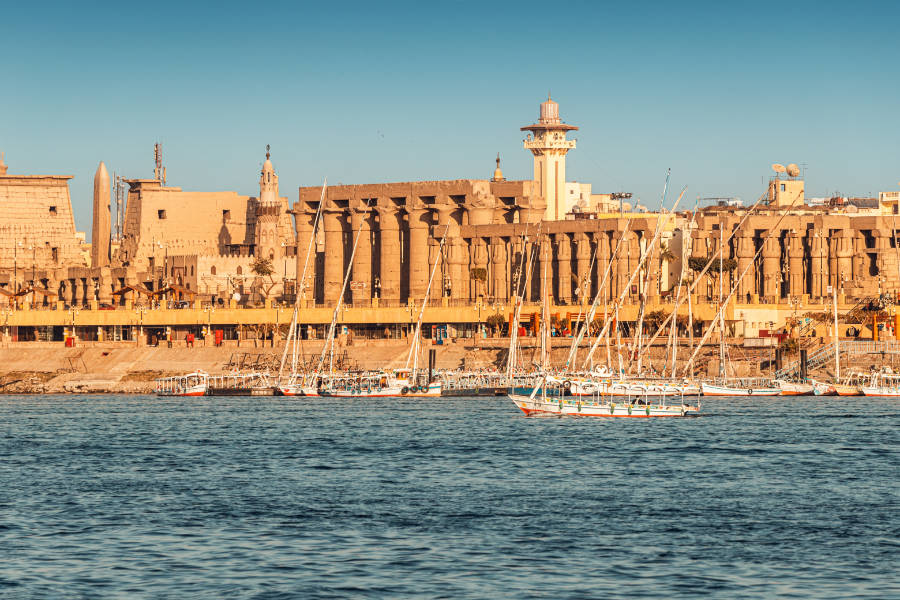
Luxor city and Nile River
Both temples were built as religious buildings for the Ancient Egyptians.
Both temples have all of their original brickwork, construction, and hieroglyphics on the walls, with no intervention from modern technology.
When visiting both temples, you get a real, genuine feel for how the Ancient Egyptians treated religion, tradition, and royalty.
Karnak Temple
This temple was built for daily worship purposes around the Middle Kingdom (c. 2055 BCE) to the Ptolemaic period (c. 30 BCE), taking around 2,000 years to complete.
With many different pharaohs adding their own additions and styles, each section of the temple has its own feel and character. Some of the most notable pharaohs who added their touch were Senusret I, Thutmose III, Hatshepsut, Seti I, and Ramses II.
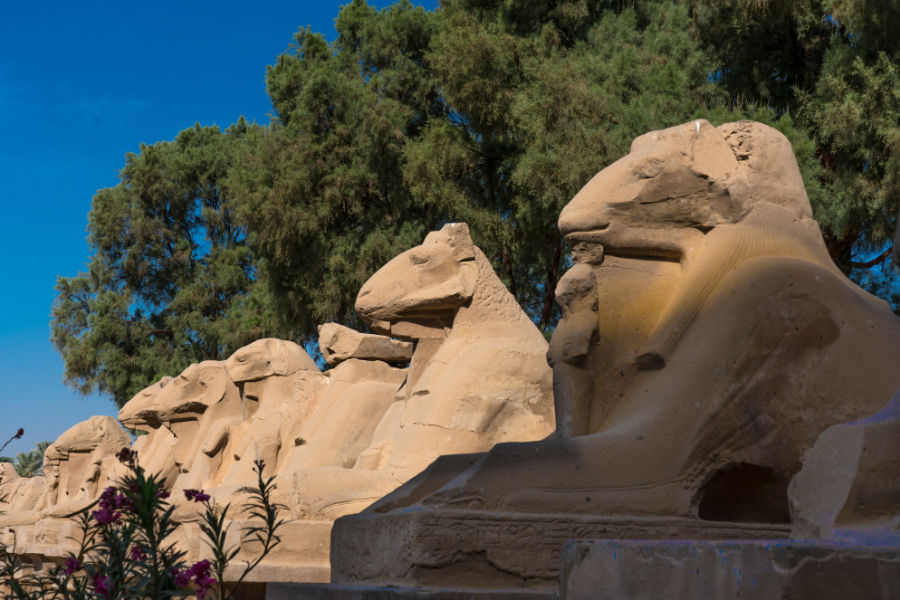
Karnak Temple Complex
You might say one of the most notable elements of this temple is the 134 large forest stone columns, but the largest part of the temple is the Precinct of Amun-Re.
With large, beautiful statues, detailed hieroglyphics, and impressive stone art, this precinct will leave you wondering how the Ancient Egyptians managed to build such large and beautiful structures without the modern tools we have today.
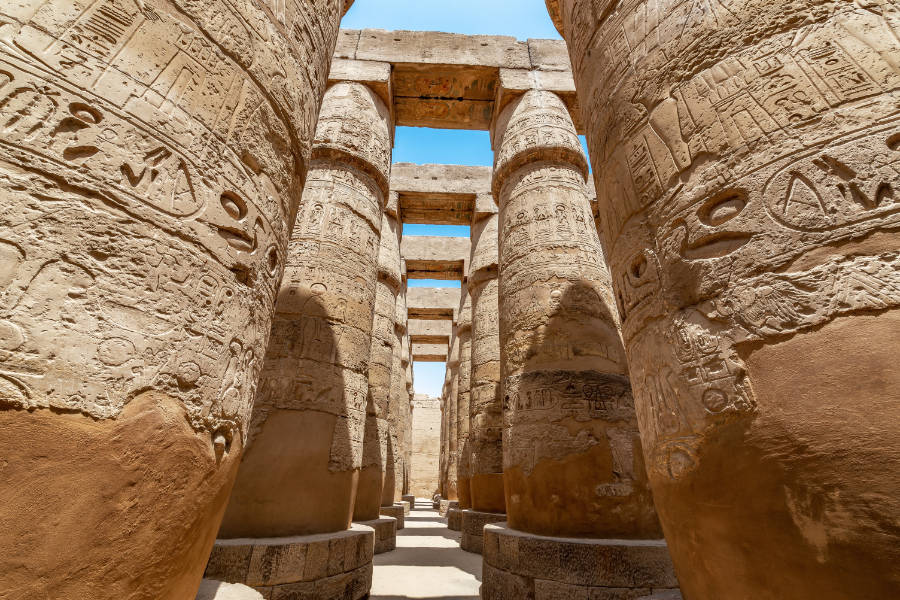
Kanak Temple Columns
What Was the Purpose of Karnak Temple?
Daily worship. The Ancient Egyptians used to go daily to perform different rituals and religious festivals or celebrations. The main god that was celebrated here was Amun-Ra.
There is a large statue of Amun-Ra located in the temple, which, as a daily ritual, used to be cleaned and purified. In the serious way that the Ancient Egyptians were, the statue was also dressed in clean linen and jewellery. It’s important to note that even the jewellery was cleaned before being placed on the statue.
Other rituals that would take place included:
- Incense burning and hymns
- Offering rituals of bread, beer, meat, vegetables, wine, incense, and perfumes
- The ‘opening of the mouth’ ritual, performed symbolically to allow the god to consume the offerings
- New moon and full moon ceremonies on a monthly basis
Festivals
The Ancient Egyptians were big on celebrations and festivals – they are at least the culture that created the aspect of music being used for entertainment purposes.
The biggest festival celebrated in Karnak Temple was the ‘Opet Festival’. This was when the statues of Amun-Ra, Mut, and Khonsu were taken in a ceremonial procession from Karnak to Luxor Temple (via the Nile or the Avenue of Sphinxes). This was done annually and lasted anywhere between 11 and 27 days, due to the growth in significance of the rituals for the pharaohs and the importance of ensuring prosperity and social order were maintained.
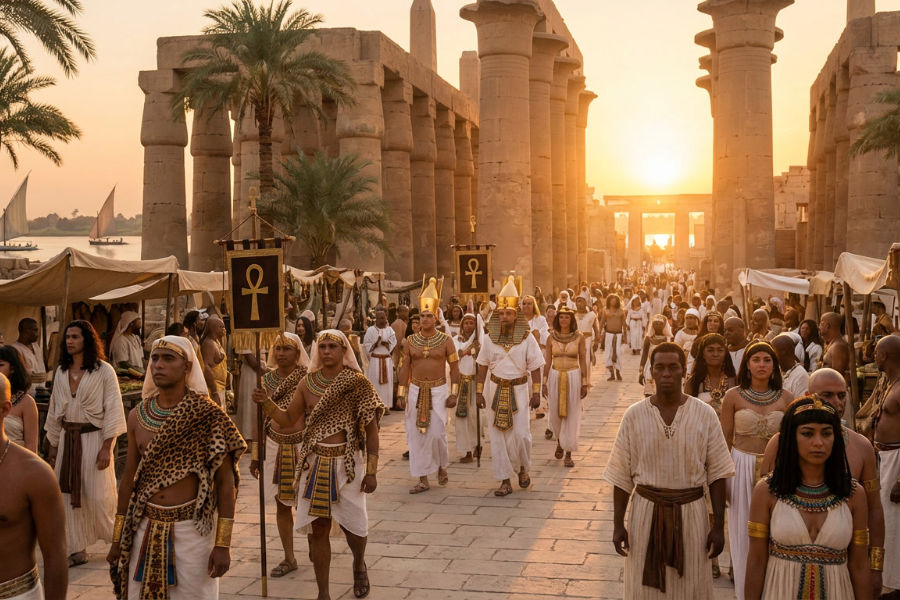
Opet Festival imagined by AI
Then there was the Beautiful Feast of the Valley. This festival celebrated the dead, particularly past kings. Amun-Ra’s statue was taken to the West Bank (the Valley of the Kings), where the people would eat and celebrate in the tombs – an event thought to link the living with the dead. This was also held annually.
Luxor Temple
This was not a traditional cult temple but was instead built as the ‘Southern Sanctuary’, where the divine aspect of kingship was celebrated.
This temple was also associated with the annually celebrated Opet Festival. Built primarily in the New Kingdom around 1400 BCE and located in central Luxor, right next to the River Nile.
With many different pharaohs also adding their own touch, the most notable kings were Amenhotep III, Tutankhamun, Horemheb, and Ramses II.
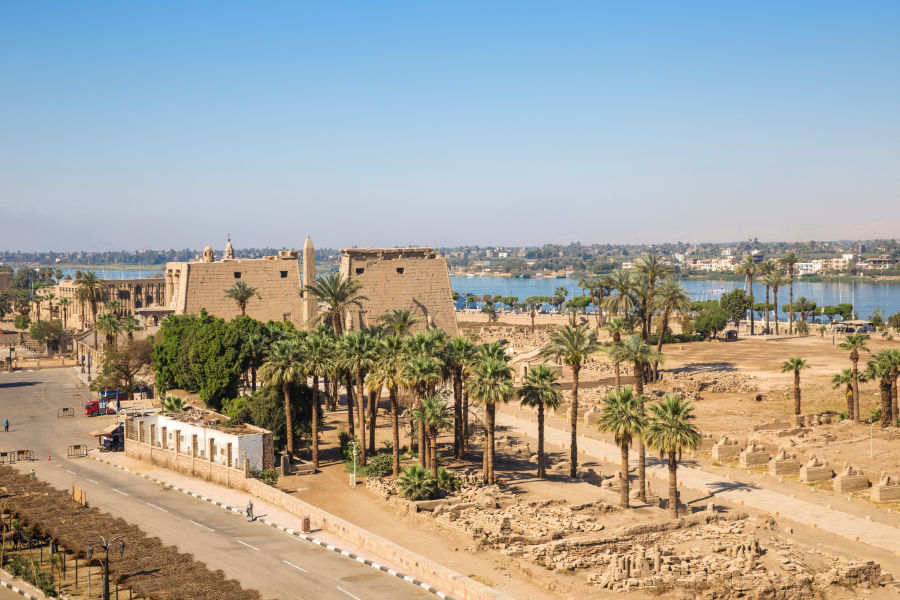
Luxor Temple
Luxor Temple hosts the courtyard of Ramses II and many other seated statues. Although this temple is smaller than Karnak Temple, it still holds the same beauty, with a more organised layout and structured feel to the building. This temple was not used for daily worship or rituals but was used for specific religious events such as royal divine births.
Both temples have the original structures and bricks, and when you see the outstanding work the Ancient Egyptians were able to achieve, you really are left in wonder.
Both temples are connected by the Avenue of the Sphinxes – a road of around 2.7 kilometres (or 1.7 miles), lined with over 1,000 sphinxes, some of which had the traditional human head and others a ram’s head in honour of the god Amun-Ra. You can take a walk down the Avenue of the Sphinxes and imagine you are partaking in the procession for the gods.
Which One Should You Visit?
Both. Always both. To get the full vibe of the Ancient Egyptians, to truly take in the breathtaking beauty created all those thousands of years ago, you must visit both!