
Luxor
12 tours found
Marsa Alam
From Marsa Alam: Private 2-Day Luxor Tour
Marsa Alam
From Marsa Alam: Private Luxor Day Tour
Hurghada
From Hurghada: Luxor Day Tour by Bus
About Luxor
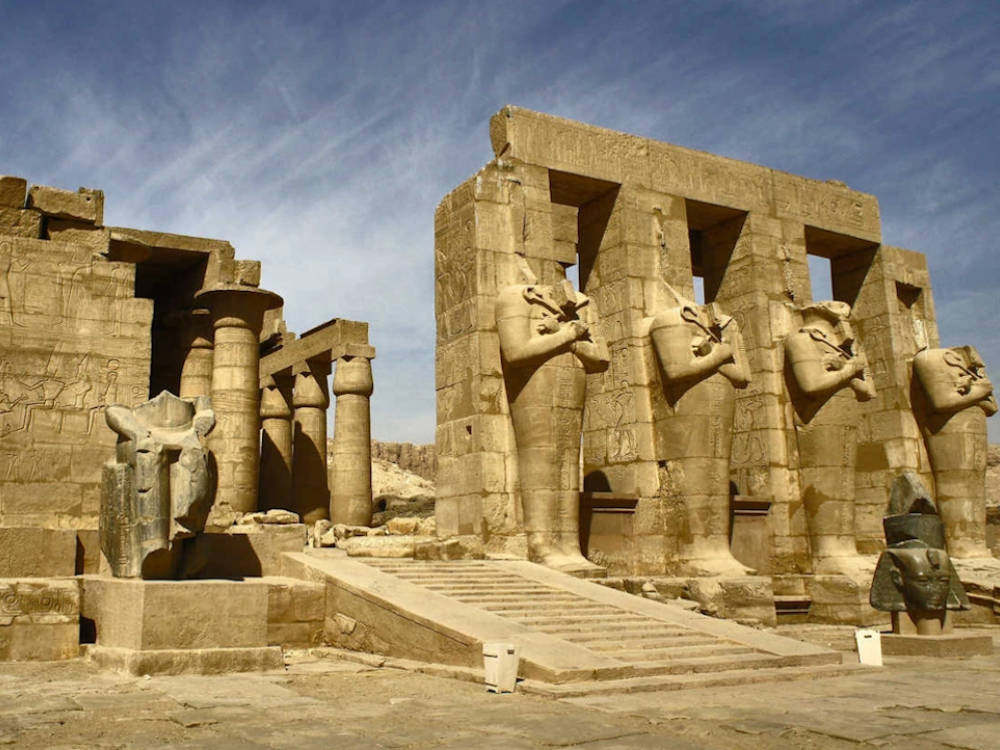
Luxor is often called the world’s greatest open-air museum—and for good reason. Set along the banks of the Nile River, this ancient city was once the capital of Egypt’s New Kingdom and is home to some of the most impressive and well-preserved monuments in the world.
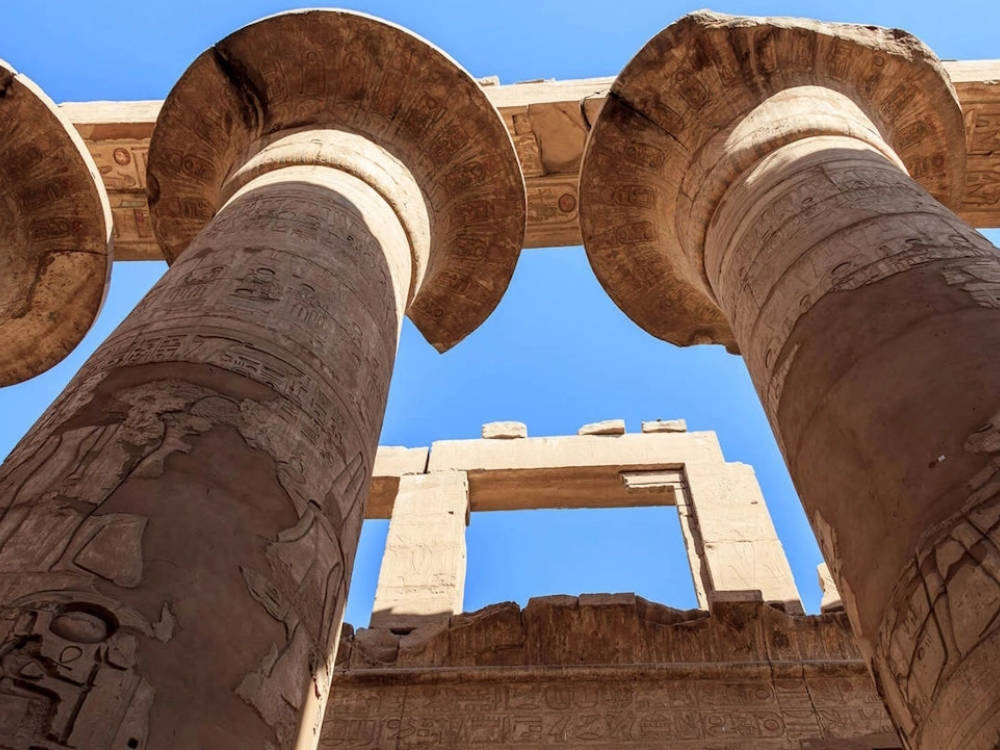
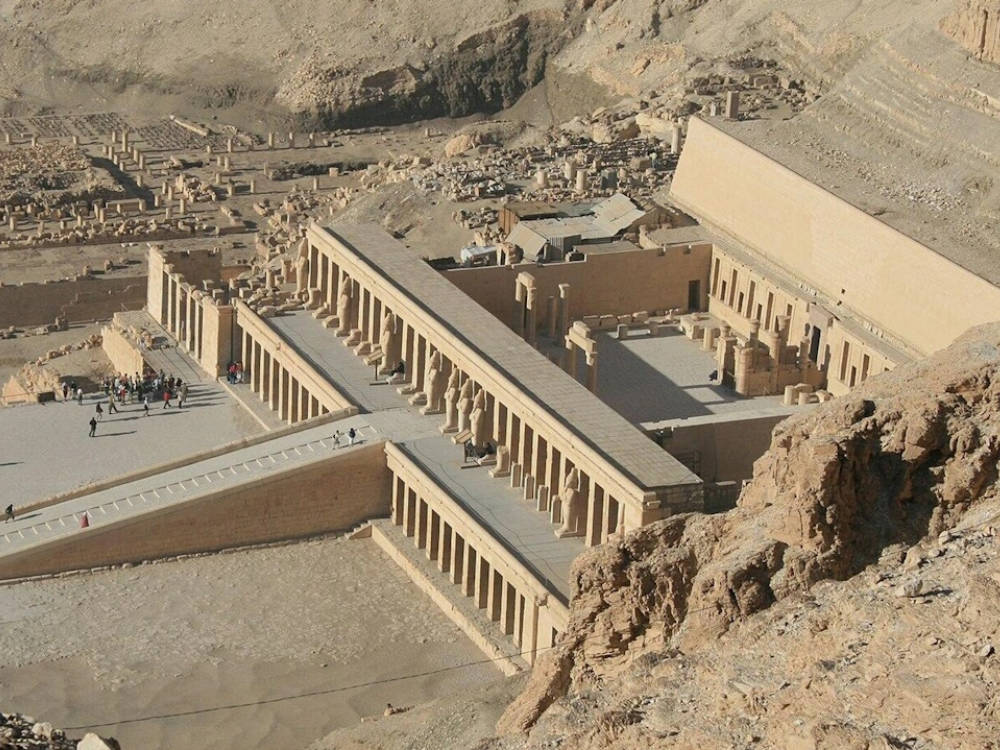
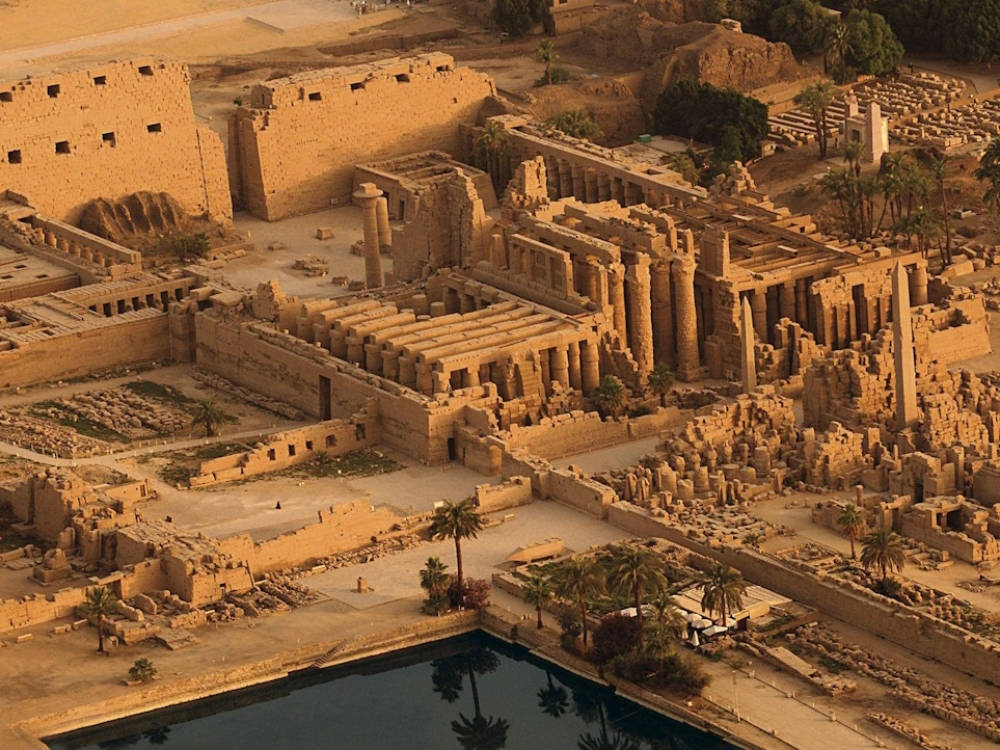
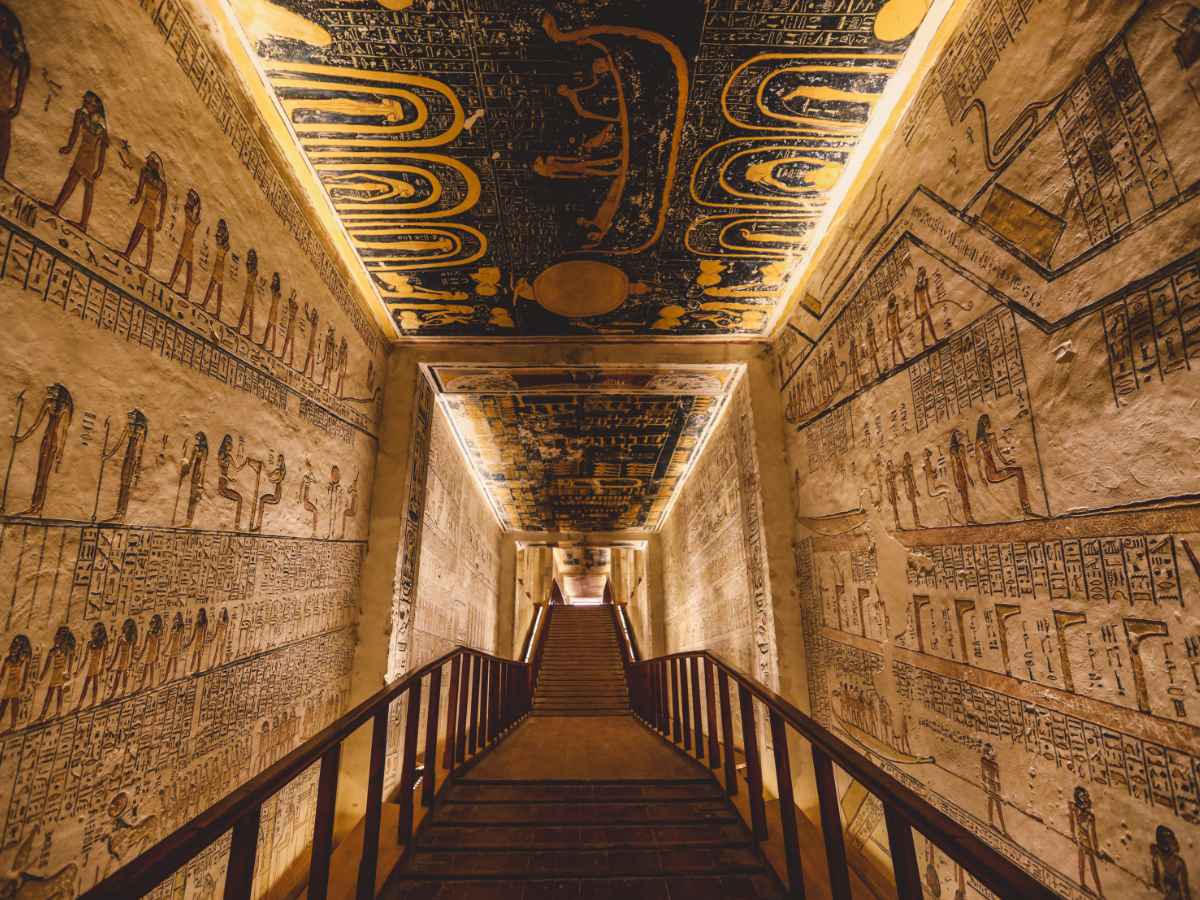
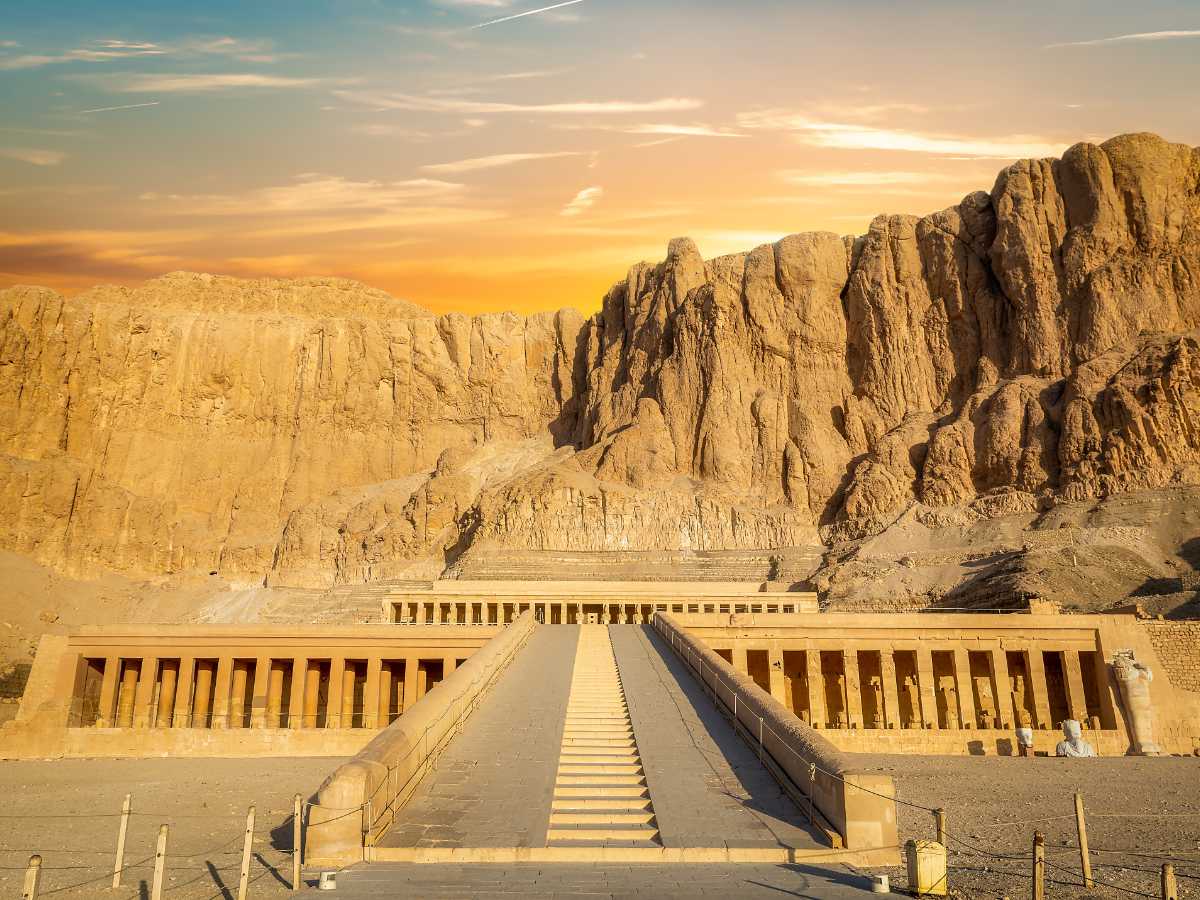
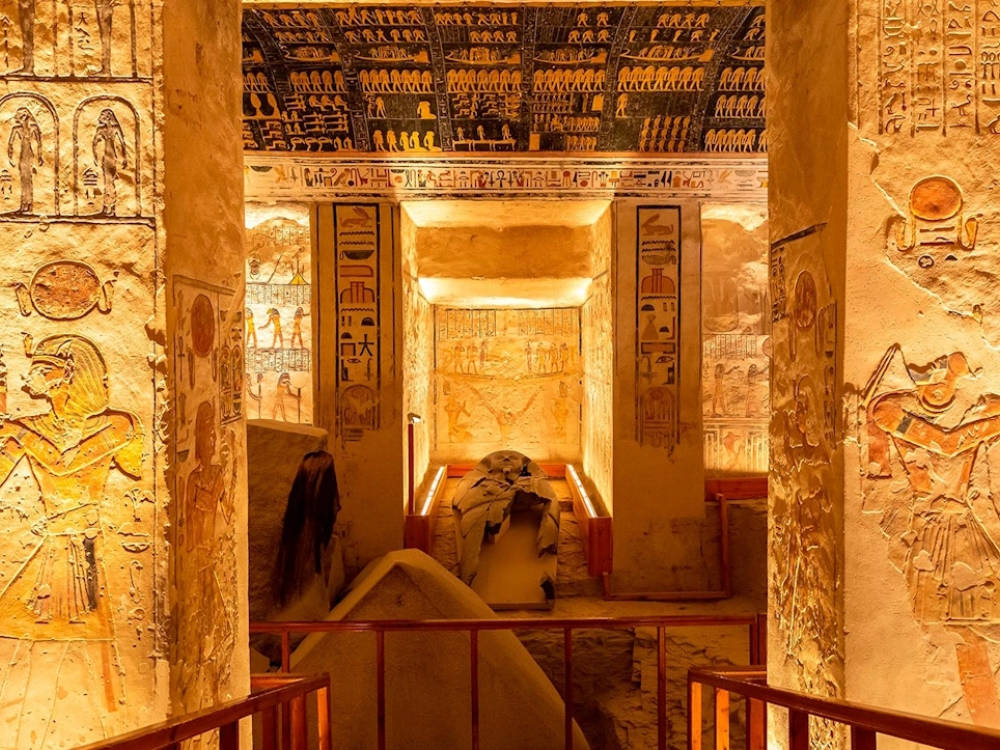
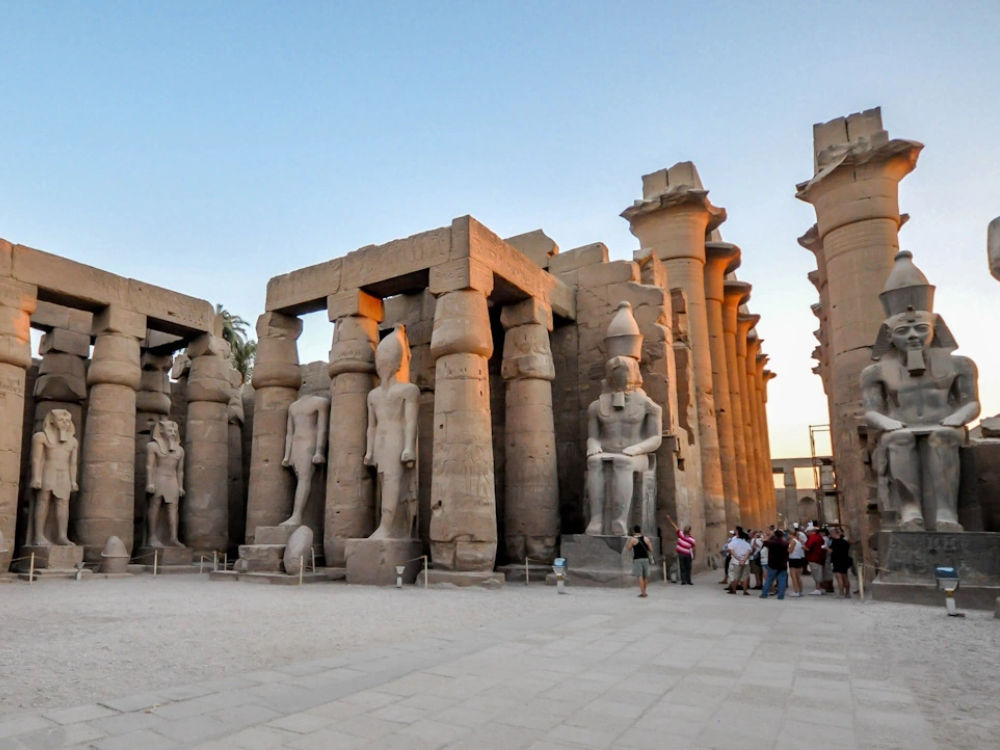
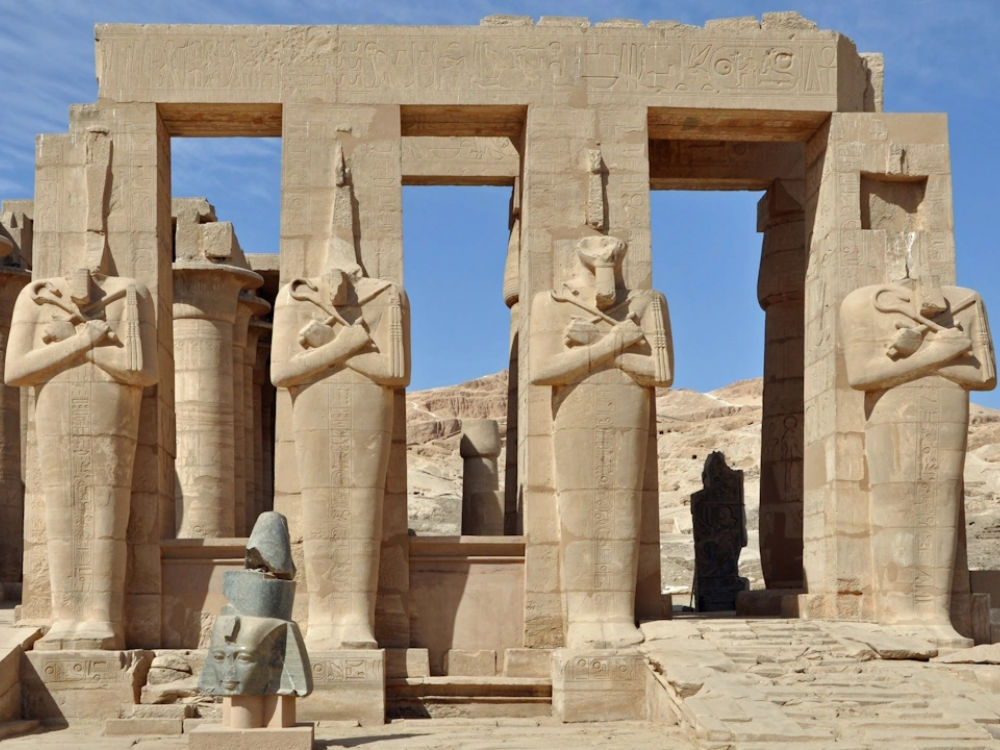
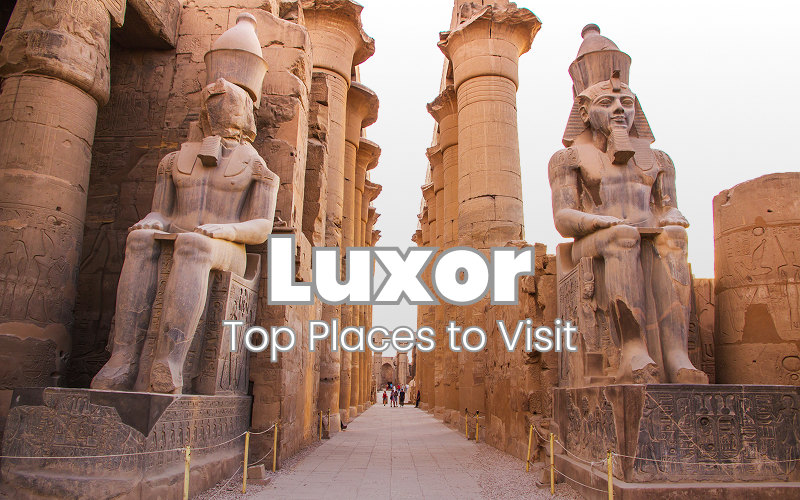
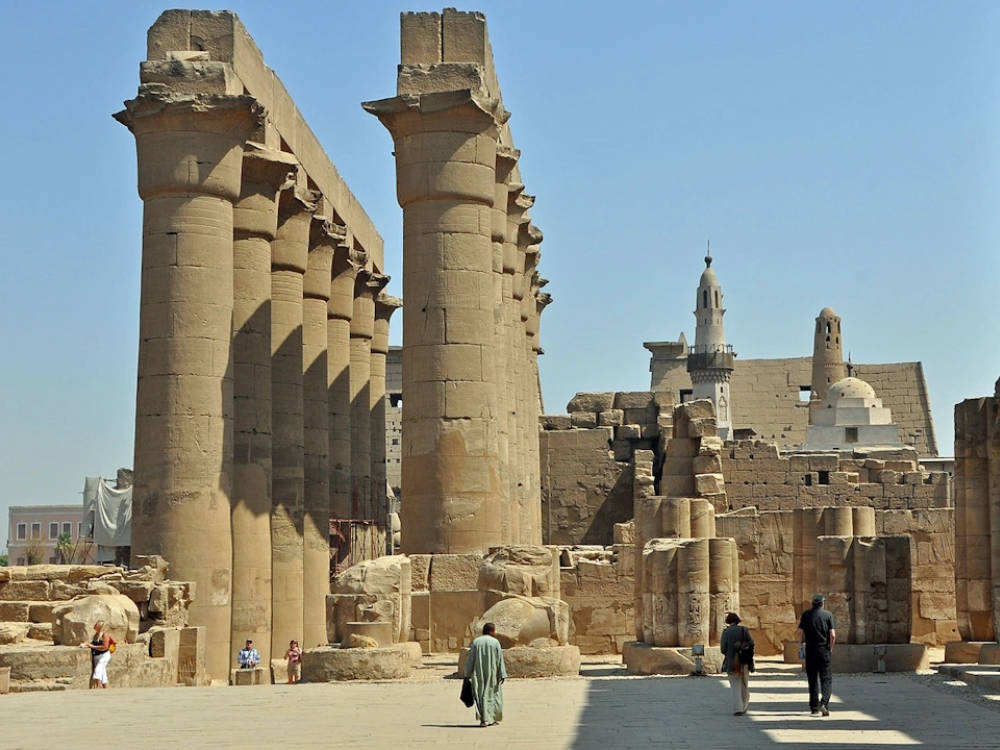
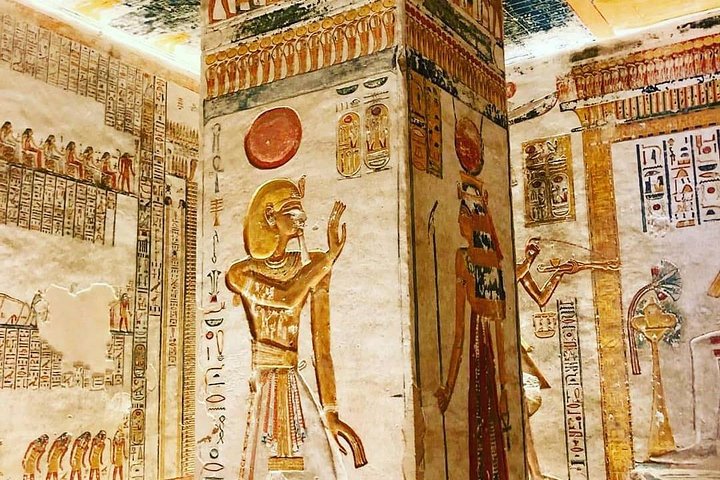
On the east bank, visitors can marvel at the sprawling Karnak Temple complex and the majestic Luxor Temple, both lit beautifully at night and steeped in thousands of years of history. Across the river on the west bank, the Valley of the Kings reveals the tombs of legendary pharaohs like Tutankhamun, while the Temple of Hatshepsut rises dramatically from the desert cliffs.
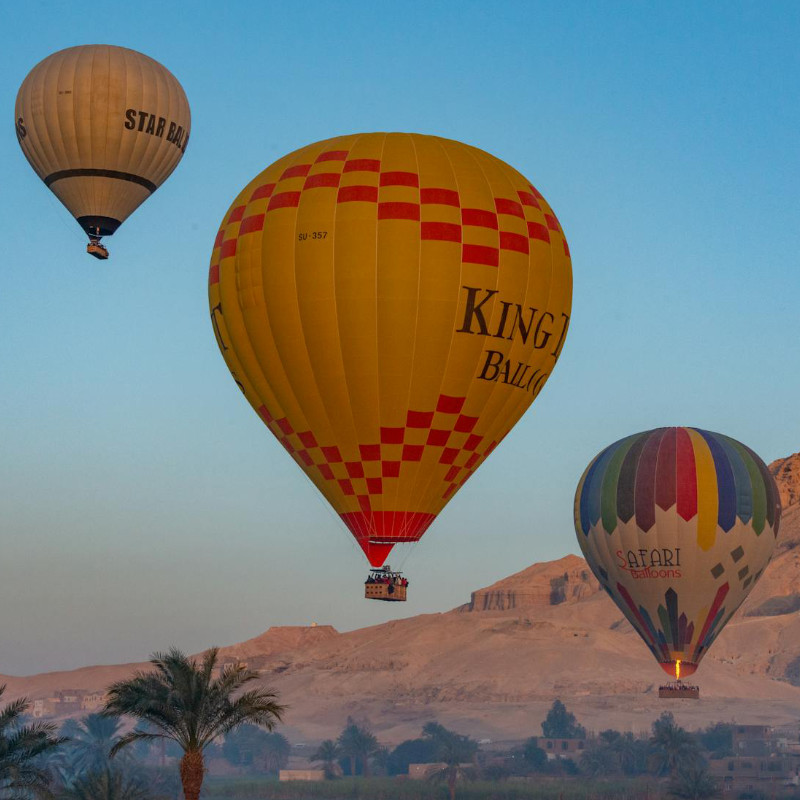
Beyond the ancient ruins, Luxor offers scenic Nile cruises, hot air balloon rides at sunrise, and vibrant local markets where traditional crafts and spices bring the city’s culture to life. The pace here is more relaxed than Egypt’s coastal resorts, making it perfect for travelers who want to slow down and soak in the history.
Luxor Travel Guides
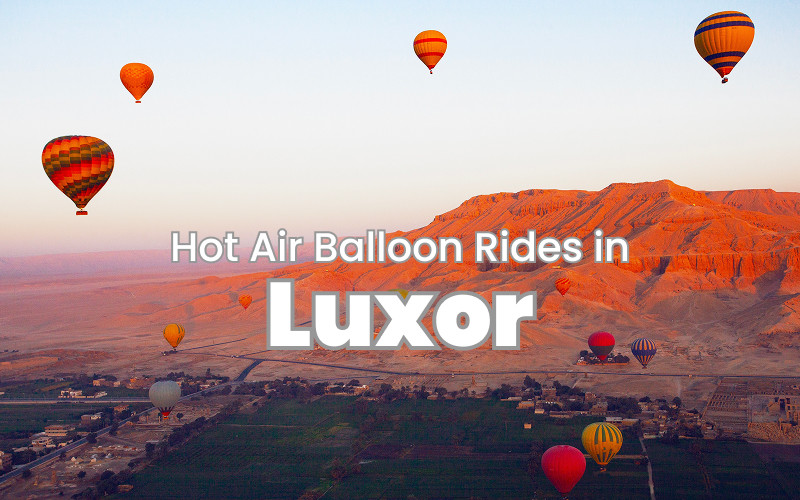
Hot Air Balloon Rides in Luxor: Worth It or Overrated?
You’ve booked your trip to Egypt and have decided to add a trip to Luxor to your itinerary, and now you keep seeing things about the hot air balloon r...
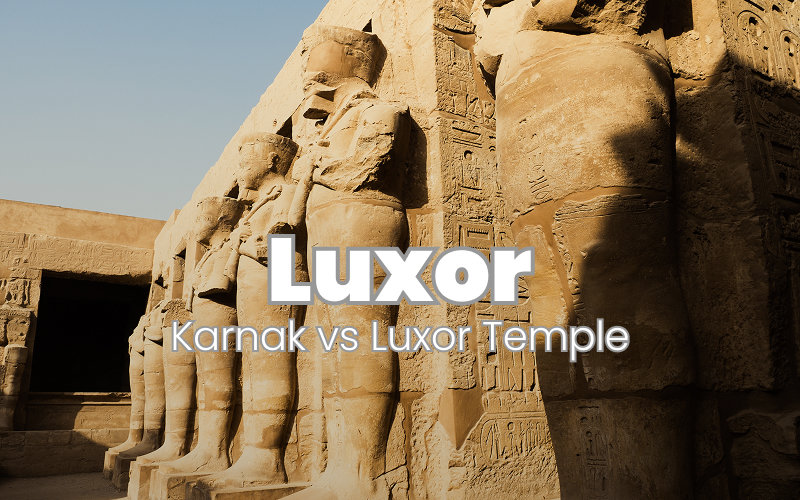
Luxor Temples Explained: Karnak vs. Luxor Temple
So, you’ve decided to take a trip down the Ancient Egyptian lane, but you're not sure where to start? Let’s clear up some differences between the two...
Recommended Things to Do in Luxor
Experiences in Luxor
Frequently Asked Questions about Luxor
1
What makes Luxor one of Egypt's top destinations?
Luxor is often called the world's greatest open-air museum. It sits on the site of ancient Thebes and is home to an extraordinary concentration of temples and tombs, including the Valley of the Kings, Karnak Temple, and Luxor Temple. It's an essential stop for anyone interested in ancient Egyptian history and culture.
2
What are the must-do tours and activities in Luxor?
The top experiences include visiting the Valley of the Kings, Karnak Temple, Luxor Temple, Hatshepsut Temple, and the Colossi of Memnon. Hot air balloon rides at sunrise over the West Bank are hugely popular. Felucca rides on the Nile, sound and light shows at Karnak, and visits to local markets round out the experience.
3
What is the difference between the East Bank and West Bank?
The East Bank is the modern city side, home to Karnak Temple, Luxor Temple, the Luxor Museum, the souq, and most hotels and restaurants. The West Bank across the Nile is the ancient burial side, where you'll find the Valley of the Kings, Valley of the Queens, Hatshepsut Temple, and the Colossi of Memnon. Most visitors explore both in a full day.
4
How many days do I need in Luxor?
Two full days is ideal to see the highlights without rushing — one for the West Bank tombs and temples, one for the East Bank and a Nile experience. If you're on a day trip from the Red Sea, the main highlights can be covered in a single packed but rewarding day. Three days allows for deeper exploration and lesser-known sites.
5
Is the hot air balloon ride in Luxor worth it?
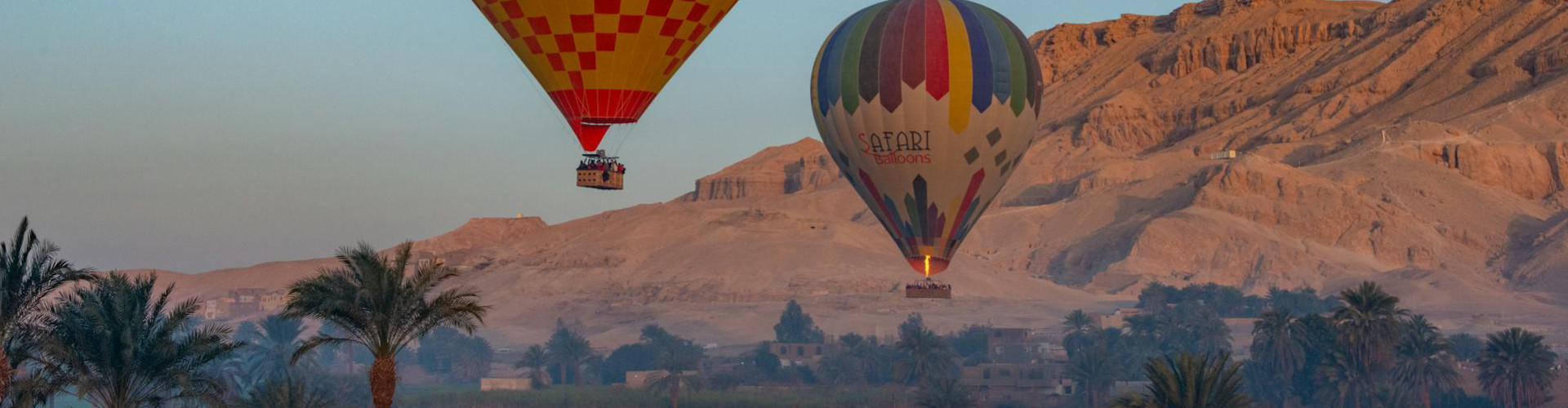
It's one of the most popular experiences in all of Egypt. Flights take off at sunrise and float over the West Bank, giving you bird's-eye views of the Valley of the Kings, Hatshepsut Temple, and the desert meeting the farmland along the Nile. The whole experience takes about an hour and is suitable for most ages.
6
Can I visit Luxor as a day trip from the Red Sea?
Yes, day trips from Hurghada, Sahl Hasheesh, Makadi Bay, Soma Bay, and Marsa Alam are very popular. The drive from Hurghada takes around 3–4 hours each way. Organized tours include hotel pickup, a guide, entrance fees, and lunch, covering the Valley of the Kings, Hatshepsut Temple, and Karnak in a single day.
Ready to explore Luxor?
Browse Travel GuidesWhat people are saying about Luxor
 From Hurghada: Private Luxor Day Tour
Great day tour with Mahmoud and Sayed. Both are very knowledgeable and passionate about what they do. This is definitely a must-do while in Hurghada
 Naomi Foster
Dec 03, 2025
Naomi Foster
Dec 03, 2025
 From Hurghada: Luxor Highlights Full Day Tour with Lunch
Everything was well organised. It’s an early start and quite a bit of time on the road, but you do get to see a lot in one day. Karnak Temple was incredible, and the Valley of the Kings was a real hig...
 Jay Goldsmith
Jun 17, 2025
Jay Goldsmith
Jun 17, 2025